Jessica Brent is a 2011 graduate of the Urban Design Studio (UDS) master’s degree program at OU-Tulsa. Today, she is co-owner of Homma Camp Company, a luxury camping service for those who may not have the time, expertise, or equipment. She received her Bachelors in Philosophy with a minor in Women’s Studies at the University of Central Oklahoma before joining the Urban Design graduate program. We talked to her about her entrepreneurial accomplishments, education, and more about what it’s like managing her own company.

Where did you go after graduating from Urban Design?
“After graduation, I was offered a position at INCOG in Tulsa working on accessible transportation projects. I had interned at INCOG while in grad school and that opened the door to a full time position. I always encourage people to take advantage of intern opportunities. The connections and work experience can be invaluable!”
What inspired you to create Homma Camp?
“Our own adventures and traveling with kids. We wanted to make it easy for people to get outside and enjoy time together in nature.”
How do you think your education with Urban Design helped you prepare for your role at Homma Camp?
“Urban Design is about creating purposeful places for humans to interact with their surroundings. We do this on a small scale, as we plan everything from a single camp site to a tent village. Currently, we are working on developing our own boutique campground and I find myself applying many tools from Urban Design in my planning of the space.”

What is your typical day like?
“I have four kids so I try to get up at least 30 minutes before them so I can have some quiet time with my coffee and a book or newspaper. This is usually my favorite part of the day. After I get all the kids to school, I usually sit down at the desk for a few hours and answer emails, work on our website and social media, etc. I look ahead and make sure we have everything ready for upcoming events and, if necessary, I will work in the field for part of the day. I might need to load the trailer for an event or get one of our tent, Airstream or cabin accommodations ready for guests. After 3 p.m., my day revolves around collecting kids, feeding them, running them around, etc. Once they are put away in their beds, I often pick the laptop up and finish up some loose ends before calling it a night!”
What inspired you to major in Urban Design?
“When I moved to Tulsa, I really just fell in love with the city and, seeing the potential here, became really curious about how cities grow. I didn’t even know urban design or city planning were fields of study. When I bought a house in a historic neighborhood, I met Ed Sharrer, a UDS alum, and quizzed him about the program at OU-Tulsa. He told me it changed his life, so I signed up!”

Do you have memories or experiences that stand out during your time at GCA?
“I remember spending long hours at the Studio but loving every minute of it.”
What advice would you give to current and incoming Urban Design students?
“Take the opportunity to make connections in the community through studio projects and internships. You’ll have a more valuable learning experience and be poised for a career when you graduate!”

Construction Industry Speaker Series welcomed Stephen Evans from the Oklahoma City National Memorial & Museum to give a lecture on better conversations and relationship building.
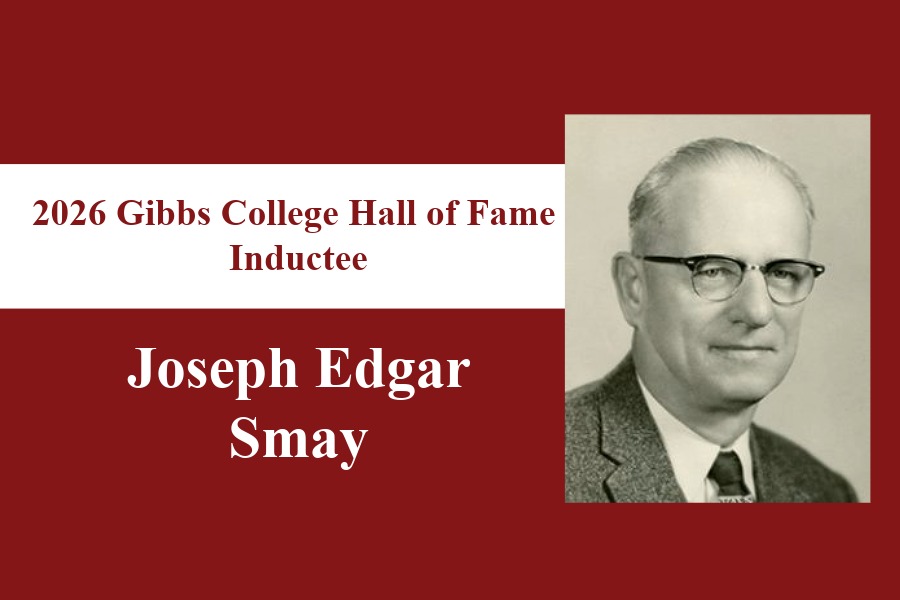
The University of Oklahoma Christopher C. Gibbs College of Architecture Hall of Fame recognizes a select number of high-character individuals who have made a significant and lasting positive impact on Gibbs College, its students, staff, faculty, alumni and/or to communities across the globe. The impact may have been, or continues to be, in the form of service and mentorship, sustained professional excellence, and/or advancement and financial support. Joseph Edgar Smay is part of the 2025 Hall of Fame class.
Christopher C. Gibbs College of Architecture congratulates three architecture students who were recognized in the 2026 AIA Dallas Student Design Awards.