This semester, 25 graduate and undergraduate Architecture students have had the opportunity to partner with the U.S. Department of State in Professor Marjorie Callahan’s “Methods X: Tools of Practice” class as part of a Diplomacy Lab.
Diplomacy Lab is a U.S. Department of State program in which professors and faculty at different universities around the country apply to work on projects the nation is interested in. This year, Professor Callahan’s students are working on a project entitled: “Beyond the Monuments: U.S. best practices for innovative tourism,” where they will examine, consider and provide findings about tourism development in the United States. Their work will then be presented to the U.S. Embassy in Greece to help the Embassy staff assist with the country’s tourism practices, specifically looking at diversity and sustainability in their tourism industry.
Professor Callahan states that this project “requires empathy, listening, and understanding what the culture needs.” Incorporating the Diplomacy Lab into the course “adds a richness to the process of design that they [the students] don’t get in typical lecture coursework,” says Callahan.
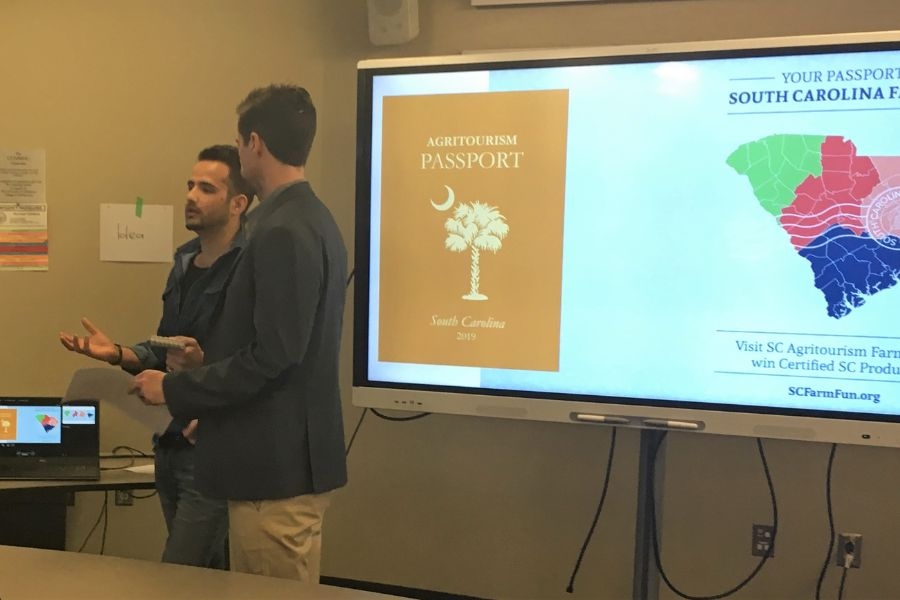
Students have been working in teams to research the history and growth of agritourism, ecotourism, and geotourism in the United States. The groups will then consider alternative, innovative solutions to the problems for Greece through lessons learned in the States.
The students’ final projects will discuss topics of real estate and development that solve Greece’s problem while being “inclusive of cultural and environmental sustainability, political activism, and innovative methods of project prototyping, and performance modeling for long-term project delivery,” as outlined by Callahan in the project proposal.
On March 23, 2019, the students presented their findings
to members of the US Embassy in Greece via Skype. Prof. Callahan reports that the embassy staff expressed gratitude and overwhelming excitement for the material the students presented. The diplomats hope to be back in touch for further conversations after they have had time to acclimate to the students’ body of work.
In previous years, Callahan says, “The students from these Diplomacy Lab efforts traveled to D.C. to present find that the State Department listens to them, which shifts confidence levels up when you are heard. It shows our students that they can really make an impact, have value.”
Callahan has partnered with the State Departmetn on several additional Diplomacy Lab projects over the past few years. Past projects include: “True U.S. FDI Inflows into Vietnam in 2015,” “Developing New Case Studies for Public-Private Partnerships,” and “Arctic Healthy Homes: Civil Society Perspectives on Arctic Innovation.”
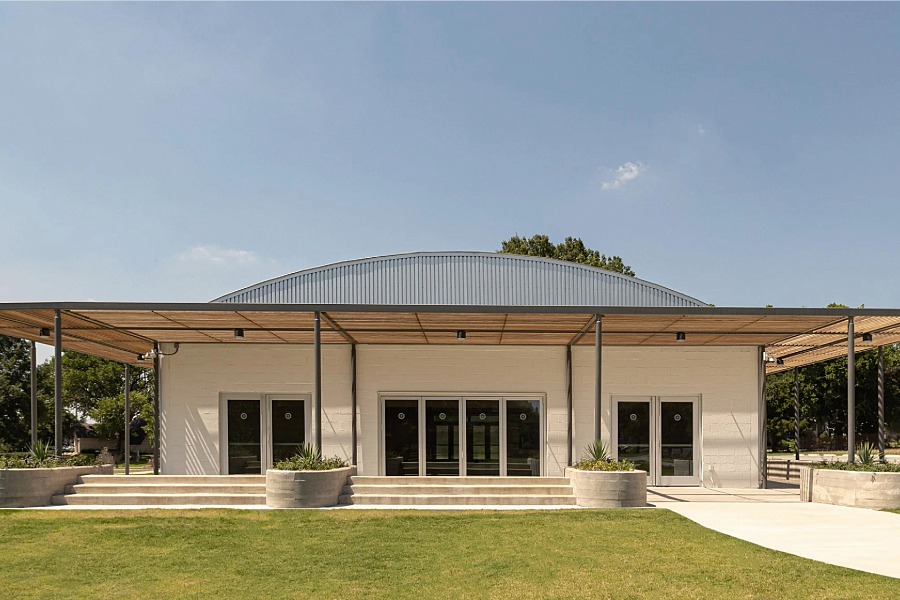
Christopher C. Gibbs College of Architecture assistant professor Amy Leveno and Mark Leveno, co-founders of OFFICIAL Design, have received a 2026 AIA Central States Region Design Award for the firm’s Granger Annex Community Center project in Garland, Texas.
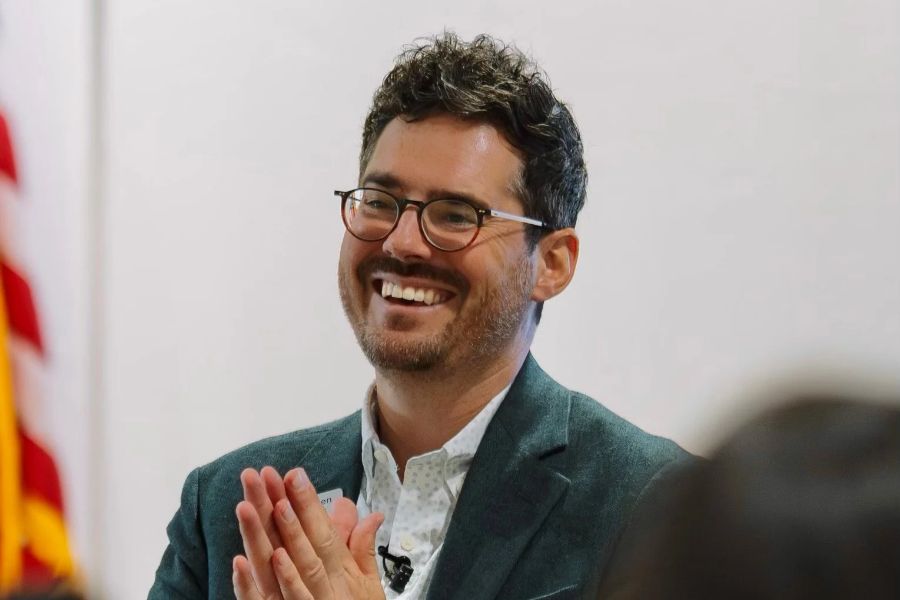
Construction Industry Speaker Series welcomed Stephen Evans from the Oklahoma City National Memorial & Museum to give a lecture on better conversations and relationship building.
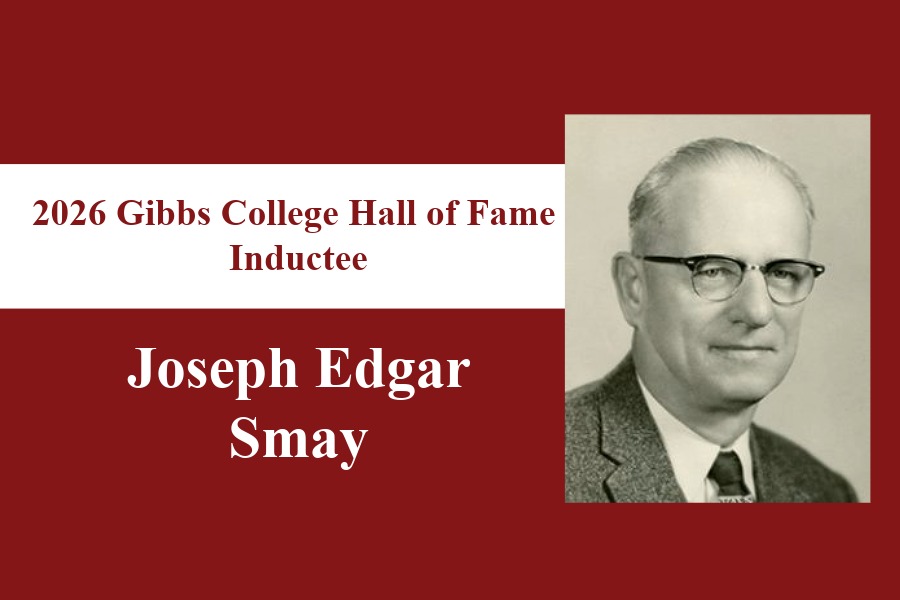
The University of Oklahoma Christopher C. Gibbs College of Architecture Hall of Fame recognizes a select number of high-character individuals who have made a significant and lasting positive impact on Gibbs College, its students, staff, faculty, alumni and/or to communities across the globe. The impact may have been, or continues to be, in the form of service and mentorship, sustained professional excellence, and/or advancement and financial support. Joseph Edgar Smay is part of the 2025 Hall of Fame class.