
Welcome to the 2026 ASEE Midwest Section Conference website. We are excited to have you join us for an experience of learning, networking, and growth. This year, our theme is From First Interest to First Job: Building the Engineering Continuum.
JULY 31st
Paper Submission Deadline
Workshop Submission Deadline
AUGUST 14th
Acceptance Notification
AUGUST 19th
Early Bird Registration Deadline
SEPTEMBER 9th
Registration Deadline
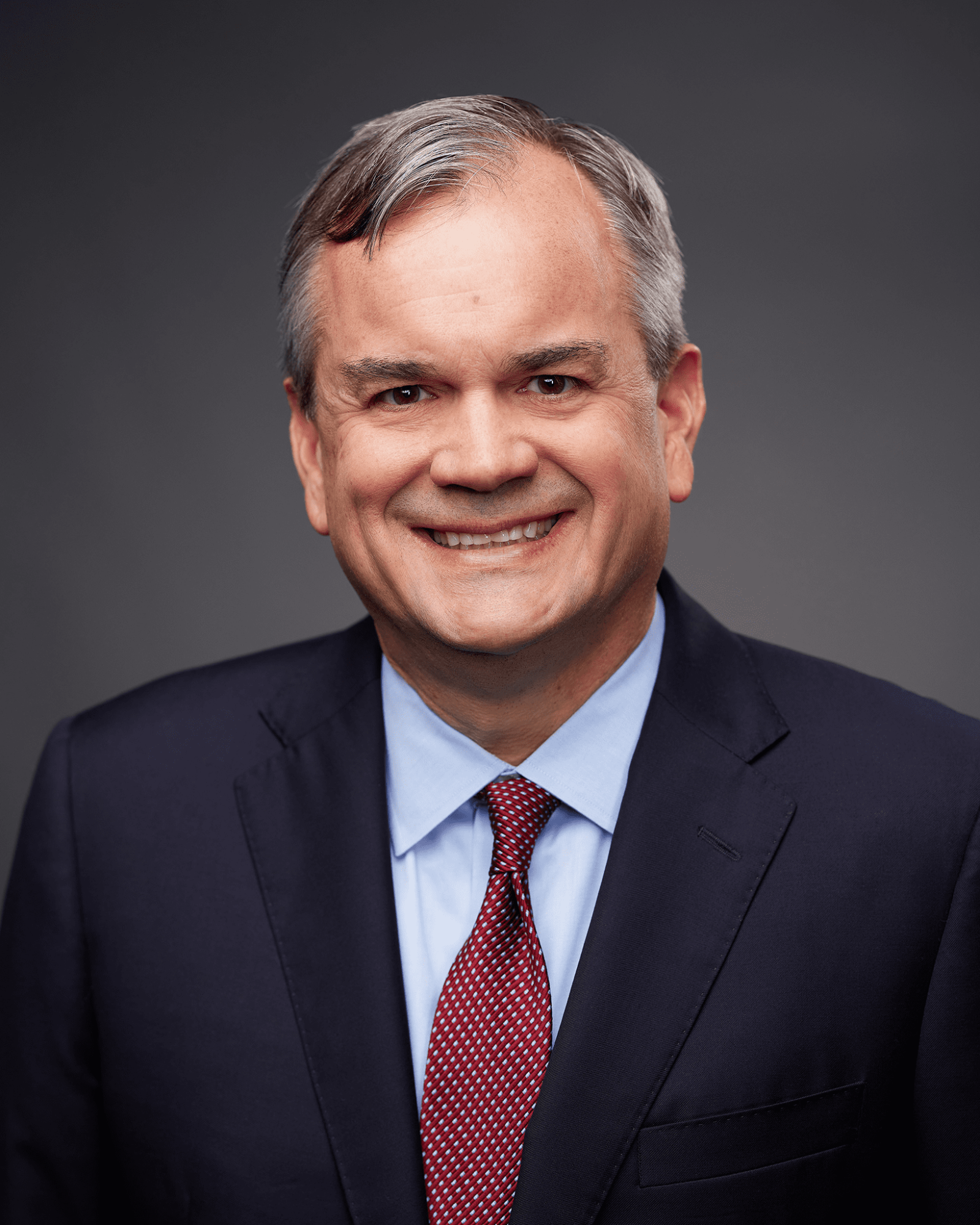
Keynote Topic: Engineering Education for What’s Next: Balancing Rigor, Relevance, and Responsibility
The workforce engineering graduates will enter is being reshaped by rapid technological change, evolving employer expectations, and shifting public perceptions of higher education’s value. Chancellor Burrage will offer a system-level perspective on how public universities can adapt to remain relevant partners to students, employers, and the communities they serve. Drawing on his experience leading a multi-institution system, he will explore how engineering programs can balance rigor and flexibility, strengthen regional workforce partnerships, and reaffirm the public mission of higher education even as the pressures and expectations facing our institutions continue to change.
Biography
Sean Burrage has served as Oklahoma’s 10th Chancellor of Public Higher Education since December 2024, leading the Oklahoma State System of Higher Education and providing statewide leadership on higher education policy, academic programs, funding, and strategic planning. An educator, civic leader, and attorney, Burrage previously served as Vice President for Executive Affairs and Chief of Staff at the University of Oklahoma and as president of Southeastern Oklahoma State University. He also served two terms in the Oklahoma State Senate, representing Rogers and Mayes counties and serving as Minority Floor Leader from 2011 to 2014.
Burrage has served on numerous boards and committees focused on higher education and economic development, including the State Regents’ Blueprint 2030 Strategic Planning Committee and the Task Force on the Future of Higher Education. He was inducted into the Oklahoma Higher Education Hall of Fame in 2025. A native Oklahoman and member of the Choctaw Nation, Burrage earned both his bachelor’s degree in accounting and juris doctorate from the University of Oklahoma.
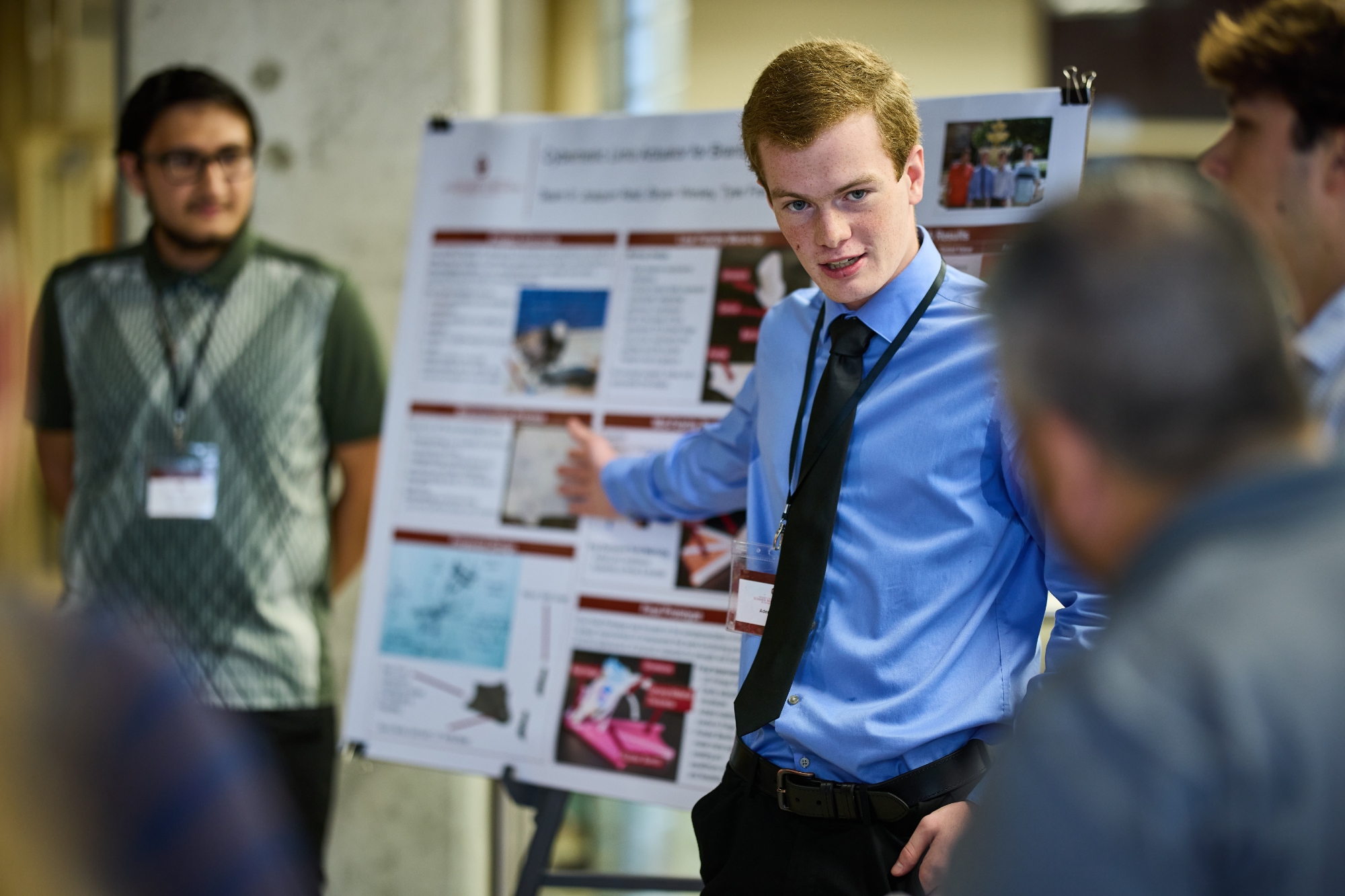
From First Interest to First Job: Building the Engineering Continuum
The Microsoft CMT service was used for managing the peer-reviewing process for this conference. This service was provided for free by Microsoft and they bore all expenses, including costs for Azure cloud services as well as for software development and support.
The paper submission deadline was July 31, 2026.
There are three types of submissions for this conference.
Additional details for each type can be found in the paper formatting guidelines.
The 2026 ASEE Midwest Conference will use Microsoft Conference Management Toolkit (MS CMT) for paper management. To submit papers, please do the following:
1. Go to MS CMT website and click button for Login.
Notes:
2. Find this conference: “ASEE 2026 Midwest Section Conference” (ASEEMidwest2026). A “How-To” guide is available here.
Note:
3. Submit your paper and include all required submission information. A “How-To” guide is available here.
Notes:
The 2026 ASEE Midwest Section Conference will take place from September 13-15, 2026. Below, you can find details on registration and hotel accommodations to help plan your attendance.
| Registration Type | Amount | |
|---|---|---|
| Student Registration | $99 | |
| Non-Student Registration Before 8/19/26 | $325 | |
| Non-Student Registration After 8/19/26 | $375 |
To complete your registration, please visit the link below.
The Noun Hotel is the preferred hotel for the 2026 ASEE Section Midwest Conference. The Noun is located just 2–3 blocks from the conference venues, making it an easy walk between the hotel and the various conference events.
To reserve a room at our special block rate, use the link below by August 31st:
The conference schedule-at-a-glance, full conference program, parking information, and relevant campus maps are available below. Information about tours is coming soon!
Explore the workshop and breakout session details below, including dates, times, locations, presentation titles, and descriptions. Select a session to learn more.
Workshop 1: Designing Better Transfer Student Experiences
Location: Engineering Quad • Gallogly Hall, Room 127
Leslie Massey (University of Arkansas), Heath Schluterman (University of Arkansas), Aysa Galbraith (University of Arkansas), Gretchen Scroggin (University of Arkansas), Latisha Puckett (University of Arkansas)
Transfer students bring valuable perspectives, resilience, and diverse experiences to engineering programs, yet they often face unique academic, financial, social, and institutional barriers that impact their success. While many institutions have focused on creating seamless credit transfer pathways, less attention has been given to designing a transfer experience that promotes belonging, persistence, and degree completion. This interactive workshop will engage participants in examining the transfer student journey through a human-centered design lens. Participants will explore the diverse backgrounds and needs of engineering transfer students, discuss research on common barriers to success, and identify both existing and missing institutional supports. Through collaborative activities, including student journey mapping and small-group design challenges, attendees will evaluate their own institutional practices and generate practical, actionable strategies to improve the transfer experience. Participants will leave with a deeper understanding of transfer student experiences, a framework for evaluating support systems at their own institutions, and a collection of ideas that can be adapted to strengthen engineering transfer student success across a variety of institutional contexts.
Workshop 2: Create, Remix, Share: A Roadmap for Authoring an Interactive OER Textbook
Location: Engineering Quad • Devon Energy Hall, Room 220
Carl Greco (Arkansas Tech University), Zahra Zamanipour (Arkansas Tech University)
Traditional static textbooks often leave students passively consuming content rather than actively engaging with it. Interactive open educational resources (OER) bridge this gap by transforming reading into an active, hands-on experience that boosts student engagement, provides immediate formative feedback, and sharpens learning outcomes—all while keeping course materials completely free and accessible. In this hands-on workshop, participants will discover how to embed dynamic, interactive elements directly into open textbooks. Attendees will explore user-friendly, open-access tools and platforms (such as binder segments for interactive coding) designed to integrate seamlessly into OER content. Through step-by-step demonstrations and guided practice, participants will build self-assessment quizzes, interactive programs, and dynamic exercises tailored to their specific disciplines. By the end of the session, attendees will gain practical strategies for instructional design, a clear workflow for creating low-friction interactive elements, and accessible, reusable templates ready for immediate classroom implementation. Whether you are building an open textbook from scratch or remixing existing resources, you will leave equipped to create high-impact, interactive learning experiences without introducing cost or accessibility barriers for your students. To be able to actively participate, attendees are encouraged to preregister for an account a couple of days prior to the workshop at: https://one.libretexts.org/register.
Workshop 3: More than a Ropes Course: Designing and Directing a Collegiate Engineering Leadership Program
Location: Engineering Quad • Rawl Engineering Practice Facility, Room 200
Kim Graves Wolfinbarger (University of Oklahoma)
This interactive workshop will help you create, build, and manage an engineering leadership (EL) development program. Content will be useful for those new to the EL field as well as experienced EL program leaders. Dr. Kim Wolfinbarger, director of OU’s Jerry Holmes Leadership Program for Engineers and Scientists (JHLP), will discuss elements of designing a program, using JHLP and other established programs as examples. You will learn the roots and definition of “engineering leadership,” scientifically grounded frameworks, and how engineers practice leadership. You will draft (or revise) objectives using a “theory of change” approach, identify your program’s unique value proposition, and outline a five-year plan. Founded in 2015, JHLP offers leadership development events, professional mentorship, EL courses, and an academic certificate, all designed to help engineering and science students to be effective and ethical leaders now and throughout their careers.
Workshop 4: Engineering Career Readiness in a Changing Workforce: Strategies for Preparing the Next Generation of Engineers and Scientists
Location: OMU • Scholars Room
Dominique Pittenger (University of Oklahoma), Kim Graves Wolfinbarger (University of Oklahoma)
As workforce expectations evolve and emerging technologies reshape professional practice, colleges of engineering face growing pressure to ensure graduates are not only technically capable but also prepared to secure and succeed in meaningful employment. Employers consistently emphasize the importance of National Association of Colleges and Employers (NACE) career readiness competencies, including communication, critical thinking, teamwork, leadership, professionalism, technology, equity and inclusion, and career/self-development as essential complements to disciplinary expertise. This interactive workshop will explore strategies being implemented across engineering and STEM programs to intentionally develop these competencies through both academic and co-curricular experiences. Participants will explore examples of integrated career readiness frameworks, industry-engaged learning, experiential education, microcredentials, undergraduate research, professional skill development initiatives, and emerging AI-enabled preparation methods designed to enhance student employability and workforce preparedness. Through facilitated discussion and collaborative activities, attendees will identify strategies for aligning curricula, student engagement programs, and employer partnerships with the NACE career readiness competencies. Participants will leave with practical tools, promising practices, and actionable ideas for strengthening career readiness ecosystems that support successful transitions from education to employment and prepare the next generation of engineers and scientists to thrive in an increasingly complex and dynamic workforce.
Workshop 5: A Hands-On Aerospace Workshop in DFMA, Lean Manufacturing, and Project Management
Location: OMU • Heritage Room
Dr. Adam Carlton Lynch (Wichita State University)
How do design decisions affect build time, workflow, and project performance? In this hands-on workshop, engineering educators and industry professionals use a modular light-aircraft prototype to connect design for manufacture and assembly (DFMA), Lean manufacturing, and project management. Small teams review the product architecture and bill of materials, plan an assembly sequence, and complete a timed build using one-lane and two-lane workflows. Participants compare elapsed time, handoffs, work in process, bottlenecks, and quality risks, then propose and justify an improvement. The activity also demonstrates how structured observations and participant feedback can support future educational research. Participants leave with a reusable workshop framework, sample data-collection tools, assessment ideas, and strategies for adapting the exercise to introductory, manufacturing, design, or capstone courses. The session strengthens workforce readiness by linking engineering decisions to professional product-development practices.
Workshop 6: Building the Engineering Continuum: Designing Biotechnology and Engineering Pathways Through Experiential Learning
Location: OMU • Frontier Room
LaShall Bates (NorthWest Arkansas Community College), Gary Bates (NorthWest Arkansas Community College), Ranil Wickramasinghe (University of Arkansas)
Building a sustainable engineering workforce requires more than isolated classroom experiences. It requires intentional pathways that guide students from initial interest through career readiness. This interactive workshop will present a biotechnology-focused model for developing an engineering continuum through skills training, Course-Based Undergraduate Research Experiences (CUREs), microcredentials, internships, industry partnerships, and workforce-aligned experiential learning. Participants will explore how community colleges, universities, industry partners, and regional initiatives can collaborate to support recruitment, persistence, skill development, and workforce transitions for students entering engineering and biotechnology fields. Examples from biotechnology workforce initiatives, summer research experiences, stackable credentials, and partnership-based programming will be used to demonstrate scalable approaches for building student confidence, technical competency, professional identity, and career readiness. Attendees will participate in pathway-mapping and workforce-alignment activities designed to help institutions identify gaps and opportunities within their own engineering ecosystems. Participants will leave with actionable strategies for designing integrated educational pathways that support student success from first interest to first job.
Track 1: Building Pathways – Access, Recruitment & Persistence
OMU • Scholars Room
10:45AM
Building Engineering Pathway: A Rural Outreach Initiative to Broadening Engineering Participation in Nebraska
Jessica Deters (University of Nebraska), Riya Budhathoki (University of Nebraska), Yusong Li (University of Nebraska), Sophia Messineo (University of Nebraska), Lance Perez (University of Nebraska), Logan Perry (University of Nebraska), Meredith Sutton (University of Nebraska), Amit Vaserman (University of Nebraska), Soren Vesely (University of Nebraska)
11:00AM
The Help-Seeking Gap: Mental Health Perceptions and Support-Seeking Intentions Among Engineering Students
Hudson Harris (University of Oklahoma), Javeed Kittur (University of Oklahoma)
11:15AM
The Impact of Social Capital, Resource Sharing, and Competition on Undergraduate Engineering Students: An Introductory Literature Review
Allison Quiroga (University of Oklahoma), Lucia Corredor (University of Oklahoma), Abigail Lehto (University of Oklahoma)
11:30AM
Major Goal Commitment among Students in Introductory Architectural Engineering and Construction Courses: A Social Cognitive Career Theory Model
Euclides Maluf (University of Nebraska), Heidi Diefes-Dux (University of Nebraska); Ece Erdogmus (Clemson University)
11:45AM
Placemaking – A Framework for Contributing to Engineering Student Engagement and Retention
Dominique Pittenger (University of Oklahoma), Emily Locklear (University of Oklahoma), Kathryn Joyce (University of Oklahoma)
12:00PM
Long-Term Impact of a Multi-Tiered Research and Mentoring Program on STEM Transfer and Workforce Development
Chidambaram Thamaraiselvan (University of Arkansas), Gary Bates (NorthWest Arkansas Community College), LaShall Bates (NorthWest Arkansas Community College), Keith Brink (University of Arkansas); Karthik Nayani (University of Arkansas), Ranil Wickramasinghe (University of Arkansas)
Track 2: Learning in Action – Active & Multimodal Learning
OMU • Heritage Room
Investigating Student Preferences Related to Multiple Modality Pre-Class Content
Kaycie Lane (University of Nebraska)
11:00AM
Gamification in Engineering Education: Student Perceptions of Engagement, Motivation, and Learning
David Paulus (University of Arkansas), Emma Paulus (University of Arkansas), Aidan Donoho (University of Arkansas)
11:15AM
Building Collaborative Labs for Discrete Structures
Pardaz Mohammad (The University of Kansas), Arvin Agah (The University of Kansas)
11:30AM
Feeling the Current: Bridging the Gap Between the Abstract and Physical Intuition in Electrical Circuits with a Tactile Analogy
Kimberly Cornett (John Brown University)
11:45AM
Comparison of Experimental Data and Model Results for Isothermal Friction Flow through a Conduit
Daniel DeBellis (University of Arkansas), Joshua Kucewicz (University of Arkansas), Xiaoyu Wang (University of Arkansas), Edgar Clausen (University of Arkansas)
12:00PM
Cyberinfrastructure Training Modules for Construction Management Education: Findings from the First Cohort
Nitish Patil (Mississippi State University), Yu Luo (Mississippi State University), Rizwan Farooqui (Mississippi State University), Samee Khan (Kansas State University)
Track 3: Beyond the Classroom – Engineering in Practice
OMU • Frontier Room
10:45AM
From Observation to Opportunity: Using Structured Reflection to Transform Embedded Systems Site Visits into Entrepreneurial Learning
Rohit Dua (Missouri University of Science and Technology)
11:00AM
Facade Design Course for Architects and Engineers: Development of a New Course and Textbook
Bodhisatta Hajra (Oklahoma State University)
11:15AM
Using the CROSS-US Database for Teaching
Norbert Delatte (Oklahoma State University)
11:30AM
IIOT Monitoring of pH Levels in CNC MACHINE Coolant Systems
Adam Lynch (Wichita State University), Ridge Towner (Wichita State University), Richard Sack (Wichita State University), Clarance Homera (Wichita State University)
11:45AM
Integrating Contemporary Safety Issues in Emerging Industries into Process Safety Class through Case Study Presentations and Decision Analysis Matrix
Joontaek Park (University of Missouri), Jack Shultz (University of Missouri), Jared Rhodes (University of Missouri)
12:00PM
When Cooling Fails: A Flipped, Team-Based Numerical Computing Activity Linking Nonlinear Solvers to Process-Safety Decision-Making
Hossein Abedsoltan (Missouri University of Science and Technology)
Track 4: Rethinking Assessment – Measuring Learning in New Ways
OMU • Scholars Room
1:00PM
When Bots Do the Homework: Redesigning Assessment for the LLM Era
Christi Luks (ASEE)
1:15PM
Designing Assessments for the AI Era: A Case Study of Faculty Development
Hudson Harris (University of Oklahoma)
1:30PM
Students as Co-Creators of Exams in an Engineering Dynamics Course
Elissa Ledoux (Benedictine College)
1:45PM
Exam Recovery with Oral Check-Ins in Linear Programming: A Mixed-Methods Study of Performance, Participation, and Confidence
Saurav Kumar Dubey (Kansas State University)
2:00PM
From Assessment to Action: Using AI-Generated Learning Analytics to Improve Teaching in Electrical Engineering Courses
Shruti Pandey (Missouri University of Science and Technology)
Track 5: Removing Barriers – Access & Student Support
OMU • Heritage Room
1:00PM
The Conceptual Shield: Differences in Baseline Readiness for DevOps, Automated Testing, and Microservices Across Undergraduate Cohorts
Asif Mohaisin Sadri (University of Oklahoma), Mansoor Abdulhak (University of Oklahoma), Javeed Kittur (University of Oklahoma)
1:15PM
Can a Simple Email Make a Difference? Preliminary Outcomes of a Mathematics Placement Outreach Intervention for First-Year Engineering Students
Heath Schluterman (University of Arkansas), Aysa Galbraith (University of Arkansas), Gretchen Scroggin (University of Arkansas), Leslie Massey (University of Arkansas)
1:30PM
Developing Class Material Appropriate for Students with Blindness or Visual Impairment in Engineering Courses
Roy Myose (Wichita State University), Nathan Wells (Wichita State University), Lindsey Ott (Wichita State University), Gabriel Reyes-Gonzalez (Wichita State University), Em Kribs (Wichita State University)
1:45PM
Advancing Neuroinclusive Engineering Education Through a Faculty Learning Community, a Summer 2026 Initiative
Shannon Locke (University of Missouri), Roger Fales (University of Missouri), Marisa Chrysochoou (University of Missouri)“I Have Very Little Background That Would Qualify Me”: Engineering Faculty Preparedness for Addressing Students’ Emotions
Sabah-ud-din Waqar (University of Oklahoma), Javeed Kittur (University of Oklahoma)
2:00PM
“I Have Very Little Background That Would Qualify Me”: Engineering Faculty Preparedness for Addressing Students’ Emotions
Sabah-ud-din Waqar (University of Oklahoma), Javeed Kittur (University of Oklahoma)
Track 6: Ready for Work – Workforce & Professional Skills
OMU • Frontier Room
1:00PM
Engineering Seniors’ Perceptions of What School Taught Them Vs. What Industry Prioritizes in New Hires
Oluwamayowa Oluwaniyi (University of Nebraska-Lincoln), Logan Perry (University of Nebraska-Lincoln), Jessica Deters (University of Nebraska-Lincoln), Herman Clements (University of Nebraska-Lincoln)
1:15PM
Workforce Development: Applying KEEN’s 3Cs to Leadership Development in Engineering Management
Adam Lynch (Wichita State University), Lex Fox (Wichita State University)
1:30PM
Building the NextGen Workforce: Development of an Interdisciplinary Graduate Level Micro-Credential in Systems Analysis
Mirit Shamir (Kansas State University), Michael Miller (Kansas State University), Ryan Hansen (Kansas State University), Gaurav Jha (Kansas State University), Gabriel Sampson (Kansas State University), Melanie Derby (Kansas State University)
1:45PM
Designing for Delivery: DFMA-Driven Decisions in Dual-Use Development
Adam Lynch (Wichita State University), Robert Carpenter (Defense Innovation OnRamp Hub: Kansas), Travis Herndon (Defense Innovation OnRamp Hub: Kansas), Pedro Cupertino (ILIOS Aerospace)
2:00PM
From Classroom to Plant Floor: A Tiered Industrial Energy Assessment Model for Building Workforce-Ready Engineers
Hitesh D. Vora (Oklahoma State University), Shamsheer Ali Shaik (Oklahoma State University)
Track 7: Learning Through Research – Experiences & Methods
OMU • Heritage Room
2:30PM
Engaging Practice-Oriented CEM Undergraduates in Research: A Design-Based Reflection on Pedagogy and Practice
Yunping Liang (University of Nebraska-Lincoln)
2:45PM
Designing an AI-Supported Construction Digital Twin for Undergraduate Research and Learning
Amy Lewis (Oklahoma State University), Chad Roller (University of Oklahoma), Sadia Raisa (Oklahoma State University), Soojin Yoon (Oklahoma State University)
3:00PM
Synthesizing and Applying Engineering Concepts Through an Undergraduate Research Experience
Rahul Sharan Renu (Austin College), Camron Barmettler (Austin College)
3:15PM
Rescuing Statistical Power in Longitudinal Engineering Education Research: A Case for Multiple Imputation
Asif Mohaisin Sadri (University of Oklahoma), Mansoor Abdulhak (University of Oklahoma), Javeed Kittur (University of Oklahoma)
Track 8: Engineering in Context – Global, Ethical & Societal Perspectives
OMU • Frontier Room
2:30PM
Education as an Evolving Cyber-Physical-Social System: Learning to Learn in AI-Native Environments
Farrokh Mistree (University of Oklahoma), Janet K. Allen (University of Oklahoma)
2:45PM
Integrating Ethics and Engineering in Practice: Outcomes from the 2026 AI, Robotics, & Ethics Summer Camp
William Slaton (University of Central Arkansas), Lin Zhang (University of Central Arkansas), Jesse Butler (University of Central Arkansas)
3:00PM
“I Am Not Allowed to Fail”: Engineering Students’ Emotional Experiences and Culturally Shaped Responses to Engineering Learning
Layla Khan (University of Oklahoma), Paige Neaveill (University of Oklahoma), Javeed Kittur (University of Oklahoma)
3:15PM
Building Broader Perspectives in Brazil: How a Short-Term Study Abroad Shaped Construction and Architectural Engineering Students’ Perceptions of Global Construction Practice
Sepehr Khorshid (University of Nebraska-Lincoln), Logan Perry (University of Nebraska-Lincoln), Emmeline Watson (University of Nebraska-Lincoln), Matthew Barrows (University of Nebraska-Lincoln)
Track 9: Student Posters
OMU • Beaird Lounge
Poster 1: Autonomous Vehicle Challenge
Kevin Lewelling (University of Arkansas-Fort Smith)
Poster 2: Application of Computational Thermodynamics in Materials Science Education
Caden Grimmett (Arkansas State University), Robert Fleming (Arkansas State University)
Poster 3: Determination of Optimal Alloy Compositions for III-Nitride Single Quantum Well Structures
Jaiden Dowdy (Arkansas State University), Robert Fleming (Arkansas State University)
Poster 4: An Industry-Derived Aerospace Prototyping Framework for Workforce Development
Sasank Sai Chilukuri (Wichita State University), Adam Carlton Lynch (Wichita State University), Pedro Cupertino (ILIOS Aerospace); Ashfaque A. Mohib (Wichita State University)
Track 10: Finding Your Place – Student Experience & Belonging
E-Quad • Devon Hall, Room 420
8:00AM
Adding Undeclared Freshmen to the Chemical Engineering Alumni Student Mentoring Program
Heather Walker (University of Arkansas), Kent McAllister (Audubon Companies), Michael Mourot (Sinclair Group), Robert Dean (Ruggiero, McAllister, and McMahon), Greg Nesmith (Dow Chemical), Edgar Clausen (University of Arkansas)
8:15AM
Exploring Undergraduate Engineering Students’ Perspectives on Rurality – A Qualitative Study
Riya Budhathoki (University of Nebraska-Lincoln), Soren Vesely (University of Nebraska-Lincoln), Sophia Messineo (University of Nebraska-Lincoln), Logan Perry (University of Nebraska-Lincoln), Yusong Li (University of Nebraska-Lincoln), Meredith Sutton (University of Nebraska-Lincoln), Jessica Deters (University of Nebraska-Lincoln)
8:30AM
Gaming Dispositions of Students in Introductory AE/C Undergraduate Courses
Alisa Gilmore (University of Nebraska-Lincoln), Heidi Diefes-Dux (University of Nebraska-Lincoln), Ece Erdogmus (Clemson University)
8:45AM
Artificial Intelligence, Digital Learning Tools, and Math Anxiety in Engineering Education: A Systematic Review
Adil Mounir (Indiana State University), Betsy Wilkinson (Indiana State University), Riem Rostom (Indiana State University)
9:00AM
Emotions in Engineering Education: A Phenomenological Study of Emotional Awareness During Academic Problem-Solving
Sabah-ud-din Waqar (University of Oklahoma), Nathan Deunk (University of Oklahoma), Javeed Kittur (University of Oklahoma)
9:15AM
Temporal Evolution of Class Ranking as an Early-Warning Signal in an Undergraduate Fluid Mechanics Course
Khaled Sallam (Oklahoma State University)
Track 11: Engineering with AI – Teaching, Learning & Trust
E-Quad • Carson Energy, Room 100
8:00AM
Between Opportunity and Overreliance: Engineering Faculty Perspectives on AI Literacy, Use, and Educational Risk
Hudson Harris (University of Oklahoma), Javeed Kittur (University of Oklahoma)
8:15AM
Longitudinal Patterns of Generative AI Use in Advanced Software Engineering: Comprehension vs. Generation
Asif Mohaisin Sadri (University of Oklahoma), Mansoor Abdulhak (University of Oklahoma), Javeed Kittur (University of Oklahoma)
8:30AM
AI-Augmented, Entrepreneurial Mindset-Based In-Class Activities in Digital Communications: A Structured Approach to Curiosity, Connections, and Value Creation
Rohit Dua (Missouri University of Science and Technology)
8:45AM
Teaching Agentic AI as a Reliability Engineering Discipline: Course Design and First-Offering Experience
John Hassell (University of Oklahoma)
9:00AM
Bounded Delegation: A Qualitative Study of Machine Agency and Entrustment in Undergraduate Engineering Education
Azadeh Hassani (University of Nebraska-Lincoln); Guy Trainin (University of Nebraska-Lincoln), Meghann Pytka (Washington University in St. Louis), Tareq Daher (University of Nebraska-Lincoln), Jordan Wheeler (University of Nebraska-Lincoln)
Track 12: Making It Real – Projects & Experiential Learning
E-Quad • Gallogly Hall, Room 126
8:00AM
Design of a Low-Cost Environmental Monitoring Unit for Data-Driven Agriculture
Darius Everett (Langston University)
8:15AM
Ball-E: An Autonomous Delivery Mobile Robot
Elizabeth Lopez (University of Central Arkansas), Caleb Young (University of Central Arkansas), Michalina Schulz (University of Central Arkansas), Eric LeJune (University of Central Arkansas), Lin Zhang (University of Central Arkansas)
8:30AM
Drone Propeller Design Using 3D Printing and Injection Molding
John Matsson (Oral Roberts University), Mariana Guillen (Oral Roberts University), Alexa Hunt (Oral Roberts University), Jonathan Ophus (Oral Roberts University), Noelle Pellicane (Oral Roberts University), Richel Sequera (Oral Roberts University), Caelynn Williams (Oral Roberts University)
8:45AM
A Lean Dual-Sourcing Case for Engineering Workforce Readiness: Metallic and Bio-Based Materials
Angela Alphons Jigi (Wichita State University), Pedro Cordeiro Povoa Cupertino (ILIOS Aerospace), Adam Lynch (Wichita State University)
9:00AM
Beyond the Prototype: Lessons in Teamwork, Fundraising, Research, and Engineering Integration from a Student CanSat Project
Michael Salvatierra Ramirez (John Brown University), Hasly Perez (John Brown University), Luis Chojolan (John Brown University), Timothy Gilmour (John Brown University)
9:15AM
Assessing Student Learning Through a Community-Based Industrial Engineering Project
Jennifer Glenn (Oklahoma State University; 2025 Midwest Section Outstanding Teaching Award Winner)
Workshop 7: K-12 Engineering Outreach through Problem-Based Learning
Location: Engineering Quad • Devon Hall, Room 420
Syeda F. Hassan (University of Oklahoma), Kokab Khalilipaji (University of Oklahoma), Dalton Brasington (University of Oklahoma), Abigail N. Lehto (University of Oklahoma), Tiantian Li (University of Oklahoma)
This workshop is an engineering outreach design accelerator, a high-utility, hands-on design sprint. This workshop will help engineering faculty strip away calculus and university-level jargon and force them to focus on basic engineering principles to introduce to young minds. In the absence of step-by-step instruction and with the use of the right prompts, materials, and constraints, faculty will develop engineering activities related to their field of study that will introduce young minds to grasp different engineering concepts. It is structured as an intense 90-minute design sprint where faculty leave with a fully conceptualized, structured outreach canvas ready for execution. K-12 students visiting campus are potential engineering students. Engaging them in engineering activities provides them with impactful exposure and interest-forming experience for deciding future STEM careers, without which they may consider sciences out of their league. The framework used in the workshop prioritizes low-cost, low-restriction everyday items (index cards, twine, paper clips) over expensive pre-made commercial kits, thereby drastically reducing the expenses required for such activities. Rather than asking faculty to build activities completely from scratch, the provided scaffolding matrix and canvas minimize friction, allowing busy researchers to build an optimal engineering activity in under an hour.
Workshop 8: Reflection in My Course? I Am Not Comfortable with That!
Location: Engineering Quad • Carson Energy Center, Room 100
Heidi A. Diefes-Dux (University of Nebraska - Lincoln)
ABET 7 requires engineering instructors to prepare students to be able to apply appropriate learning strategies. This preparation needs to entail building students’ metacognitive regulation strategies. One means of doing so is the integration of reflection across coursework. Admittedly, this is not easy for instructors who may know little about metacognition or how to build students’ capacity to engage in metacognition through reflection and feedback. Questions like “What does a good reflection even look like?” and “Do I have time for this?” are common, even alongside the belief that “Yes, I think helping my students become independent learners is important.” This workshop is based on research (NSF 2235227) in which reflection (on various engineering assignment types) was implemented with over 800 students in first-year to senior engineering courses in two different engineering departments. Evidence suggests that integrating reflection across the curriculum with metacognitive and self-directed regulation theory-bound feedback can improve students’ ability to think deeply about their learning. Through activities and discussion, participants will be introduced to a metacognition framework, reflection integration and implementation strategies and resources, and an AI tool developed to aid instructors in providing effective feedback.
Workshop 9: From Chatbots to Agents: A Hands-On Workshop on Teaching with Agentic AI
Location: Engineering Quad • Gallogly Hall, Room 126
John Hassell (University of Oklahoma)
Engineering graduates are entering a workplace where AI agents draft code, run tests, and carry out multi-step tasks, yet most courses still treat AI as a chat window. This hands-on workshop gives participants direct experience building and directing an AI agent, then translates that experience into concrete course design. In the first segment, participants open a preconfigured GitHub Codespaces environment in their browser, delegate a small task to an agentic coding tool, watch where it succeeds and where it fails, and practice the specification, supervision, and verification habits that make agent use productive. In the second segment, we walk through the design of a four-week agentic AI capstone taught at the University of Oklahoma Polytechnic Institute in Summer 2026, covering assignment structure, assessment, academic integrity, and the compute and budget realities of running agents with real students. Participants leave with a working agent environment, a starter assignment adaptable to their own course, a rubric template, and a candid list of what went wrong and what we would repeat. A free GitHub account is required, but no prior AI experience is needed; setup instructions will be sent in advance.
Track 13: Building Better Courses – Curriculum & Course Design
E-Quad • Devon Hall, Room 420
Building the Thread - An Integrated Case Curriculum Framework for Industrial Engineering Education
James Noble (University of Missouri), Michael Geisecke (University of Missouri), Sharan Srinivas (University of Missouri), Suchi Rajendran (University of Missouri)
11:45AM
Open Statics: Implementation of Open Courseware in an Engineering Statics Course
Elissa Ledoux (Benedictine College)
12:00PM
Evaluating and Revising a New Course on Mass Timber Design and Construction: A Survey Based Gap Analysis
Morgan Eubanks (Oklahoma State University), John Phillips (Oklahoma State University)
12:15PM
Scalability of Microlearning: Factors Influencing Student Advocacy for Curriculum-Wide Adoption
Asif Mohaisin Sadri (University of Oklahoma), Mansoor Abdulhak (University of Oklahoma), Javeed Kittur (University of Oklahoma)
Track 14: Designing for Practice – Professional Applications
E-Quad • Carson Energy Center, Room 100
11:30AM
Timber Design Education for Architects and Engineers: Challenges Faced and Recent Developments
Bodhisatta Hajra (Oklahoma State University), John Phillips (Oklahoma State University)
11:45AM
Developing Engineering Readiness Through a Closed-Loop Human-Centered Design Framework in an Undergraduate Microcontroller Course
Xiaowei Chen (University of Central Arkansas), Cristian Ajiatas-Ralac (University of Central Arkansas), Zander Johnson (University of Central Arkansas), John Phillips (University of Central Arkansas), Dylan Haring (University of Central Arkansas)
12:00PM
From Student to CFD Professional: Teaching Data Management and Visualization Workflows Using OpenFOAM and ParaView
Andre Hanley (University of Arkansas), Tayler Montgomery (University of Arkansas), R. Panneer Selvam (University of Arkansas)
12:15PM
Primary Flight Display Design for Pilot Performance and Perception
Jered Pawloski (ILIOS Aerospace), Adam Lynch (Wichita State University), Pedro Cupertino (ILIOS Aerospace), Evelyn Wilson (ILIOS Aerospace)
Workshop 10: Preparing your Application for the Fulbright Scholar Program and/or the Fulbright Specialist Program
Location: Engineering Quad • Gallogly Hall, Room 323
Norb Delatte (Oklahoma State University)
This interactive workshop by a Fulbright Alumni Ambassador will provide an overview of the Scholar and Specialist Programs. It is recommended that participants bring laptop computers so that they can explore the Scholar Program database during the workshop. The workshop will cover the backgrounds of the flagship Scholar program and the Fulbright Specialist Program focused on Engineering Education. Topics include an overview of all Fulbright programs for U.S. and International Scholars, the annual timeline for the Scholar program, award requirements and benefits, elements of a Scholar application, how to apply for the Fulbright Specialist Roster and how to match with a project, how to select a program from among the 392 possibilities, how to get a letter of invitation, if needed, navigating your institution’s sabbatical or leave policies, how to do a Fulbright without taking a sabbatical, how to search the Fulbright Scholar directory for past awardees from your institution, useful Fulbright webinars, and how to consider the long game (i.e., planning for a Fulbright Scholar Award three to five years out). The workshop facilitator has completed a Fulbright Specialist project in Ivory Coast, West Africa, and a Fulbright Scholar project in Naples, Italy, and is one of only 12 currently active Fulbright Scholar Ambassadors.
Sunday, September 13 at 5:30pm & 6:00pm
Engineering Quad Tours
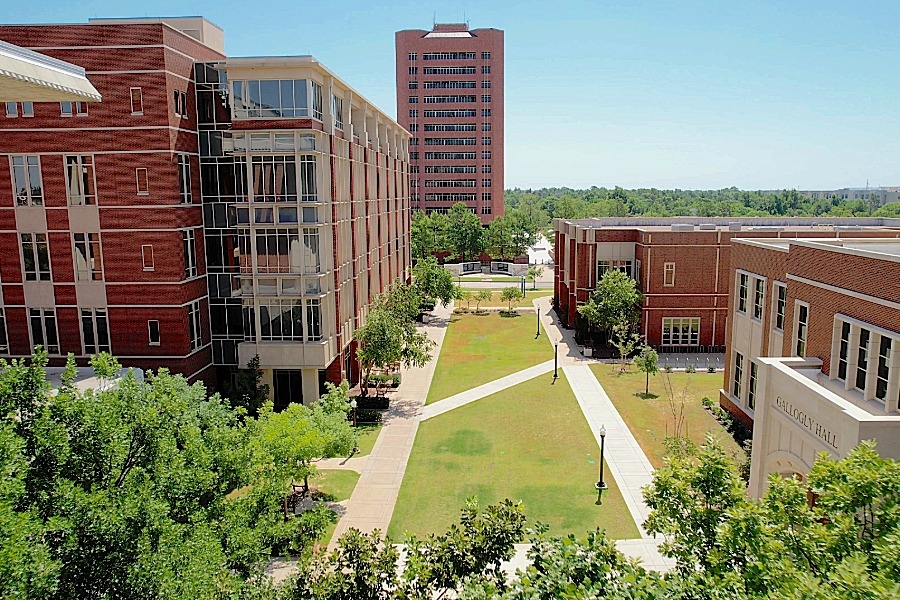
Explore the heart of the Gallogly College of Engineering on a guided tour of our Engineering Quad with one of our student Engineering Ambassadors. See where students learn, collaborate, and build their future. Along the way, you’ll get a look at classrooms, labs, student spaces, and the facilities that make OU Engineering a hands-on experience.
Monday, September 14 at 3:30-5:00pm
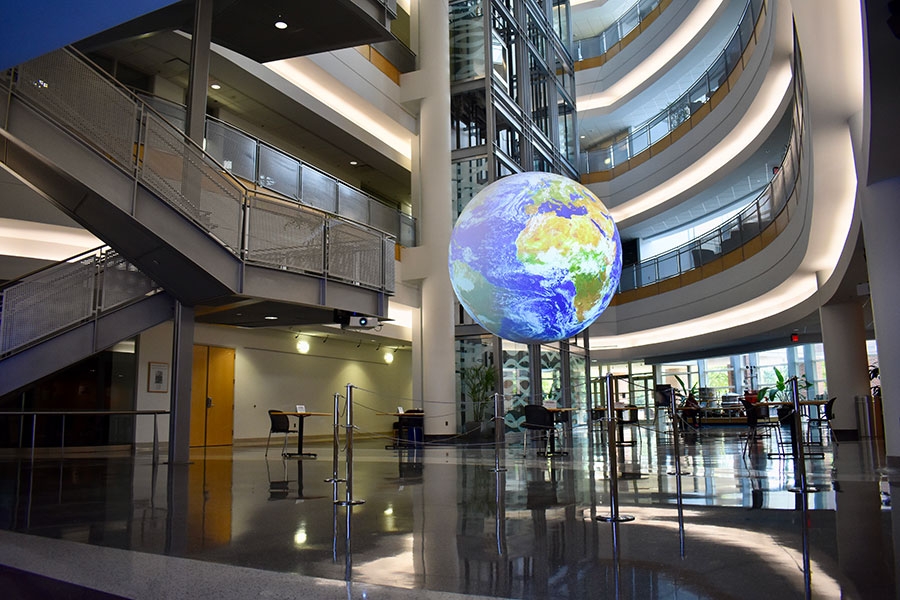
National Weather Center • 120 David L. Boren Blvd., Norman, OK 73072
The National Weather Center brings together federal, state, and local agencies, academic programs, and research and development partners working to improve our understanding of Earth’s atmosphere. This guided tour offers a behind-the-scenes look at how meteorologists and researchers observe, forecast, and study weather, from local conditions to severe storms across the country. The tour typically includes the McCasland Family Observation Deck, NOAA’s Storm Prediction Center, the National Weather Service Norman Forecast Office, and the National Severe Storms Laboratory.
The tour is limited to 45 participants, and spaces will be filled on a first-come, first-served basis. All tour participants must register separately for the tour by September 10, 2026. Conference registration does not automatically reserve a place on the tour. We will provide transportation to NWC for tour participants.
You can register for the tour here.
Important requirements include:
Monday, September 14 at 3:30-5:00pm
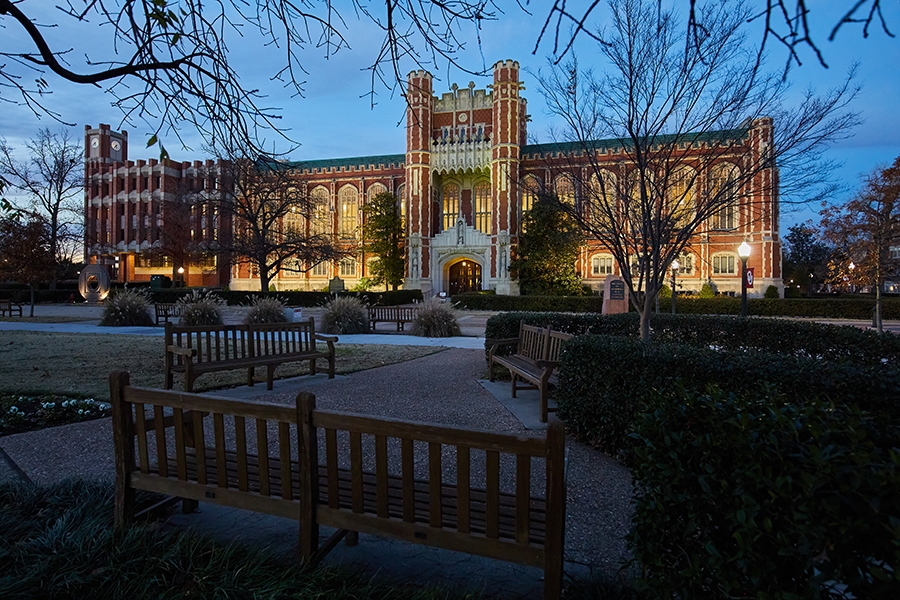
Bizzell Memorial Library • 401 W Brooks St, Norman, OK 73019
Bizzell Memorial Library, the historic heart of OU’s library system, combines iconic spaces such as the Great Reading Room with modern collaborative spaces, including the Learning Lab and Helmerich Collaborative Learning Center. The tour may also highlight the Computer Revolutions exhibit, makerspace, and other historical features of the library. Advance registration is not required.
The ASEE Midwest Section recognizes outstanding contributions to engineering education through a variety of annual awards. A list of available awards is provided below.
Additional information, eligibility requirements, and nomination procedures can be found below:
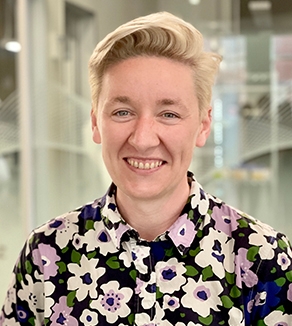
Sarah Breen, Conference Chair
Associate Professor
University of Oklahoma
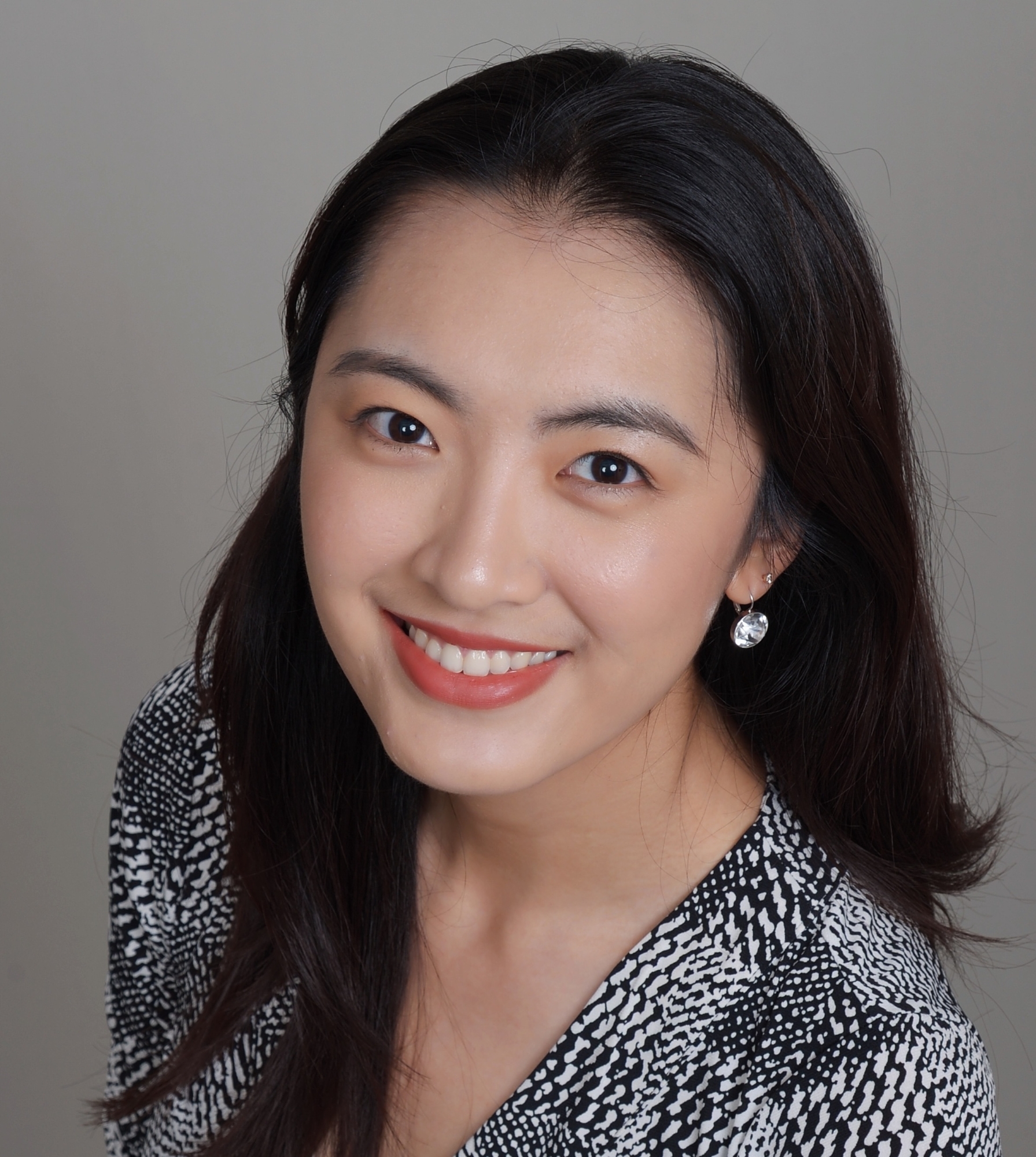
Tiantian Li, Section Treasurer
Assistant Professor
University of Oklahoma
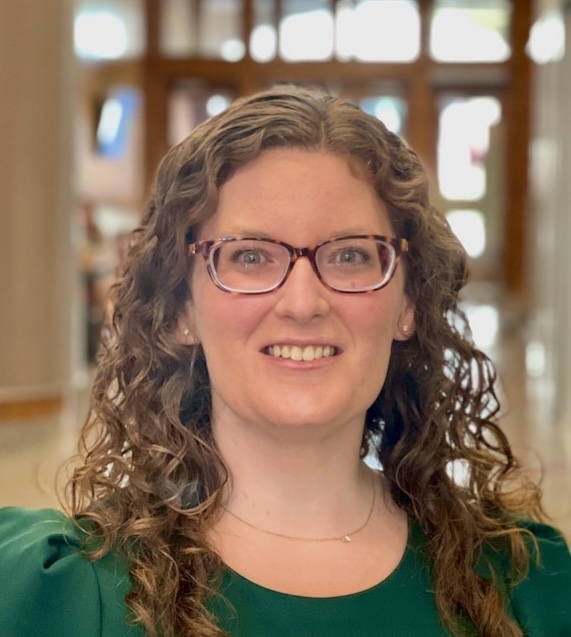
Rebecca Scott, Conference Chair
Assistant Professor
University of Oklahoma
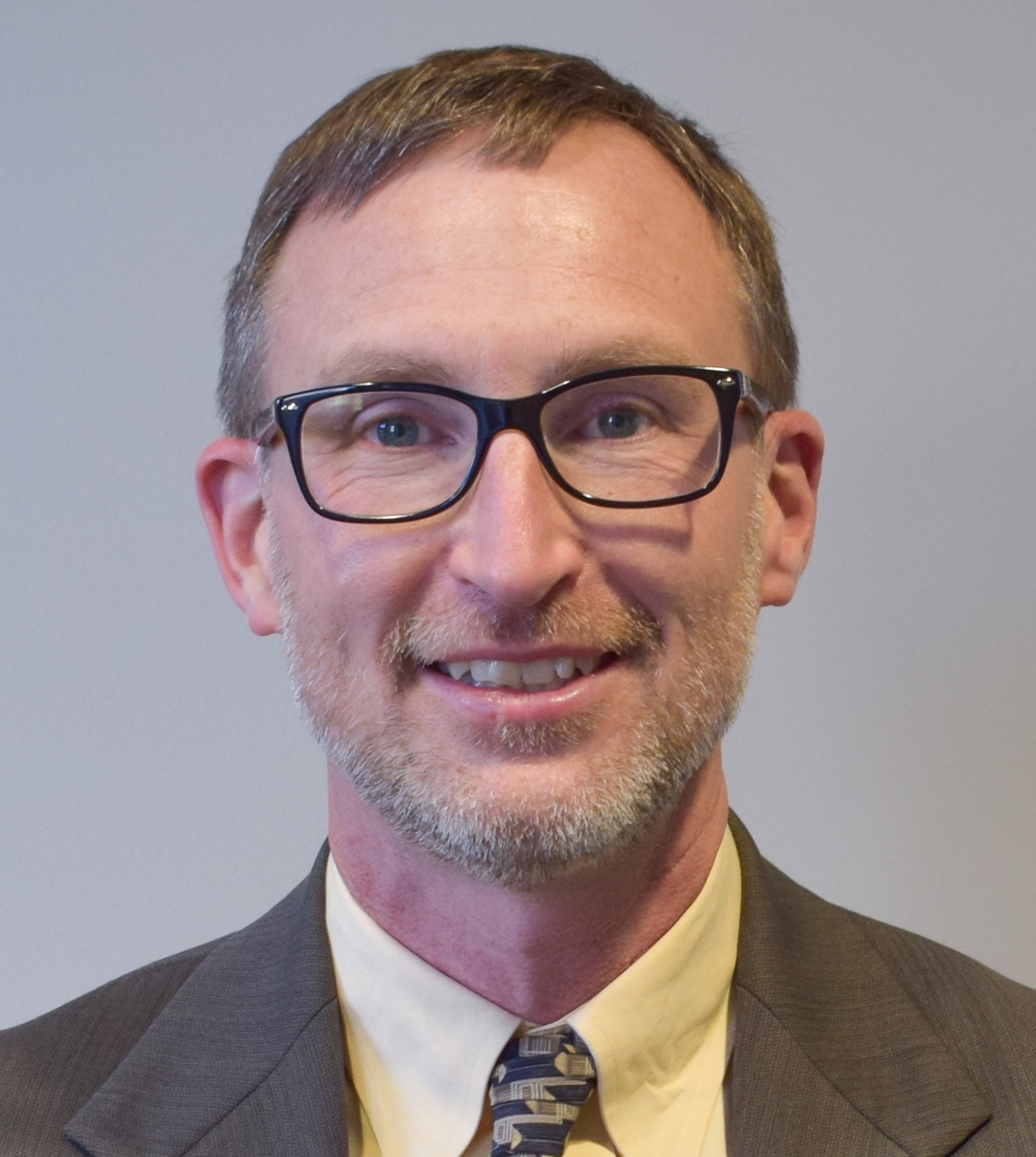
Roger Fales, Section Chair-Elect
Associate Dean for Undergraduate Education and Student Success
University of Missouri
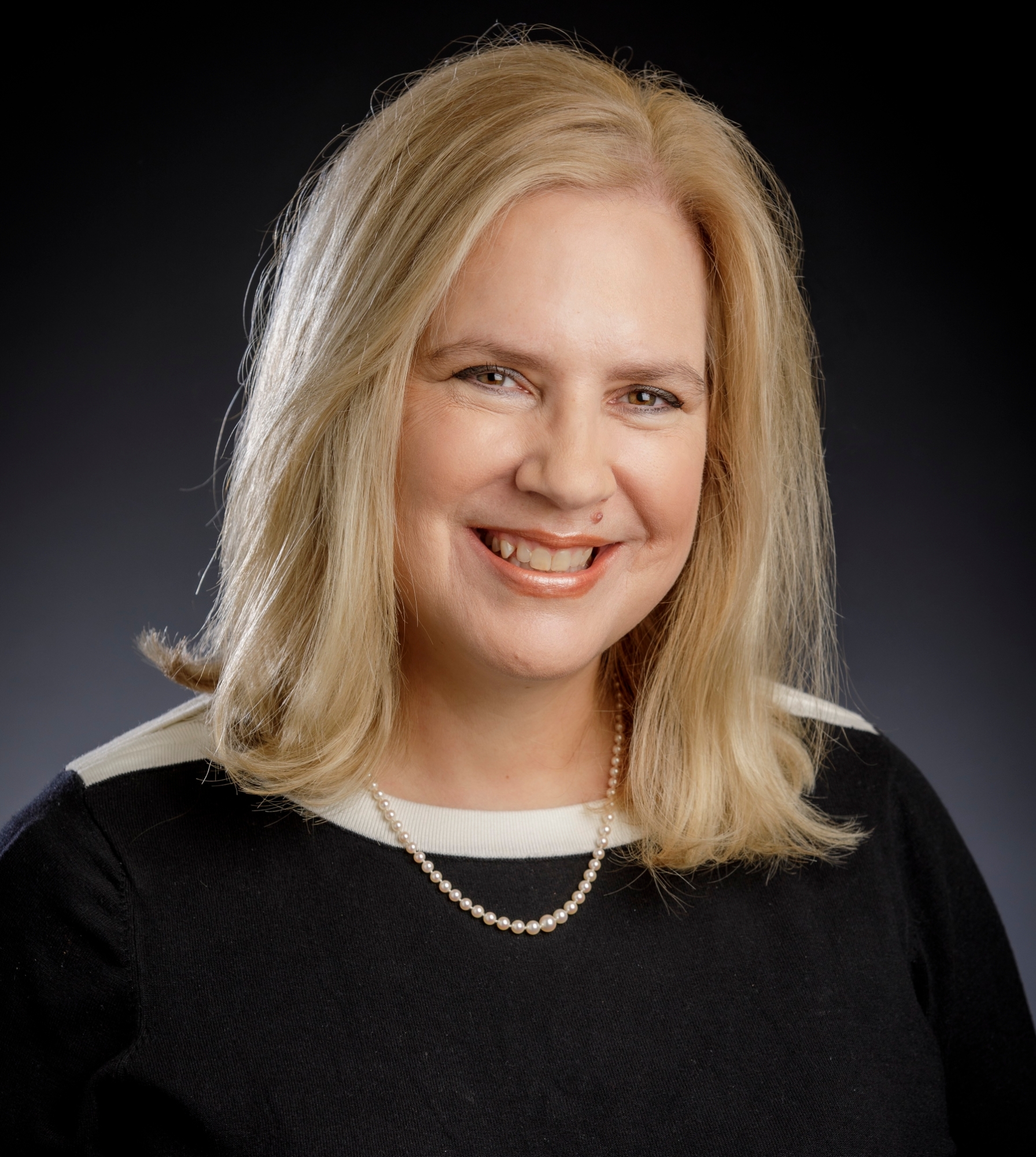
Jennifer Glenn, Program Chair
Associate Professor
Oklahoma State University
Allison Quiroga, Workshop Chair
Assistant Professor
University of Oklahoma
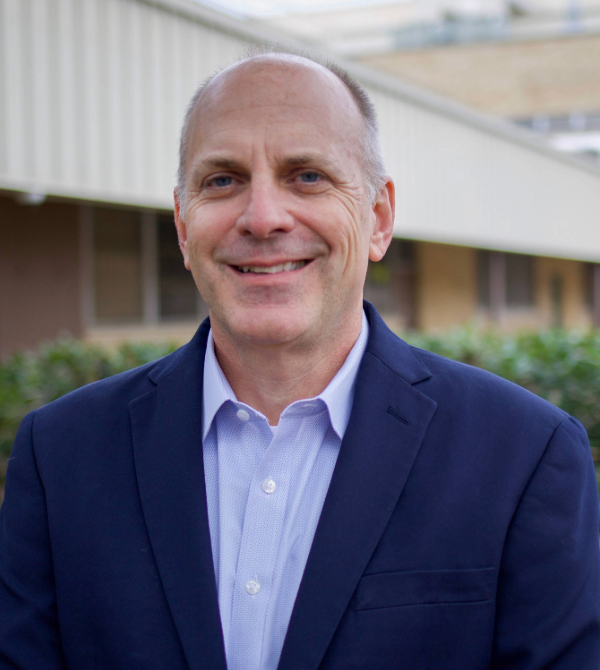
John Hassell, Section Chair
Associate Professor
University of Oklahoma
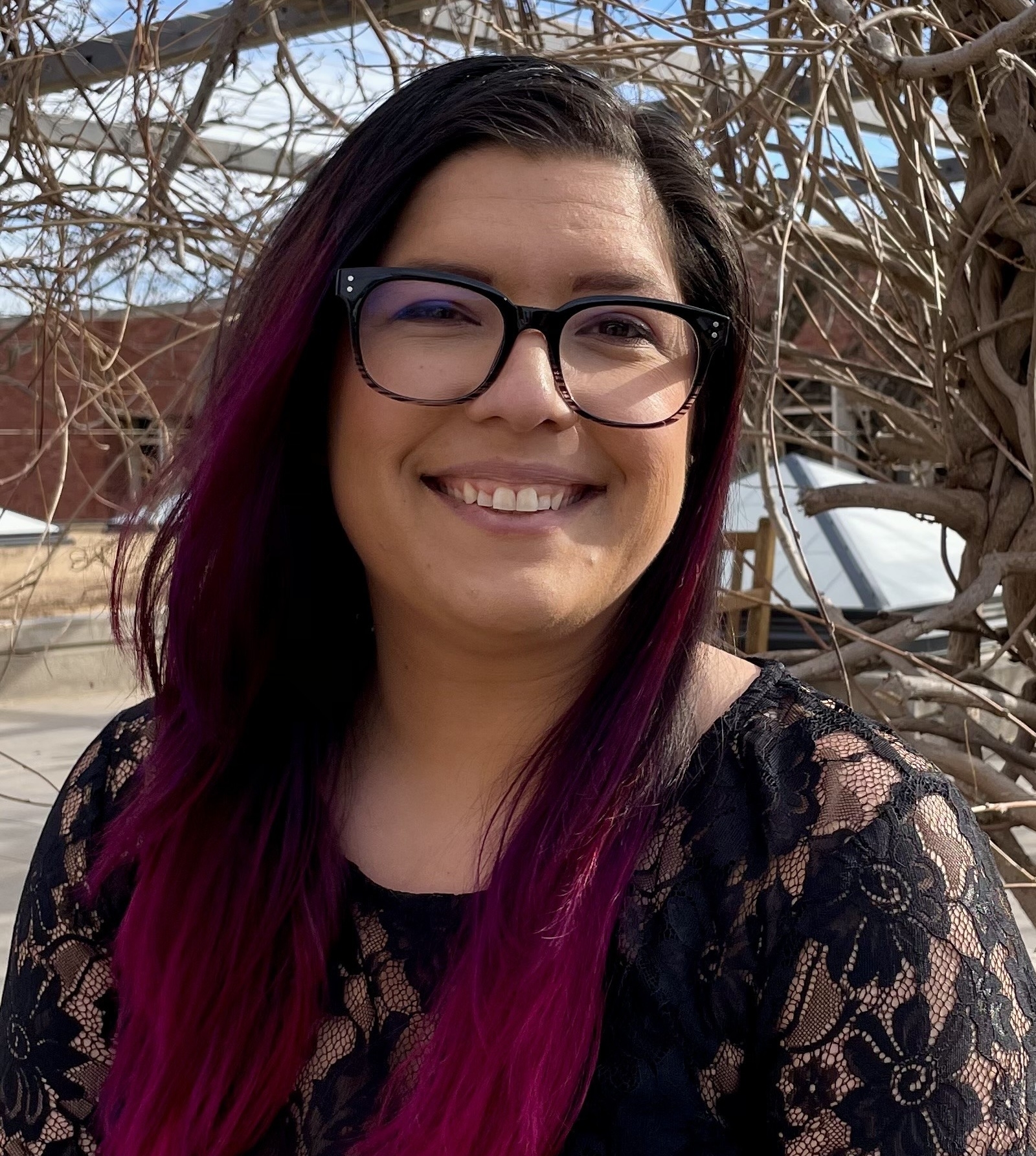
Casey Haskins, Workshop Chair
Assistant Professor
University of Oklahoma
