NEWS


OKLAHOMA CITY – A new study from the University of Oklahoma reveals how a little-understood protein, CD82, contributes to blood vessel leakage, a process that initiates inflammation but becomes dangerous when it occurs during severe inflammatory diseases such as sepsis, acute respiratory distress syndrome and COVID-19. The findings, published in Nature Cardiovascular Research, could open the door to new therapies aimed at protecting patients from multi-organ failure and death in severe and systemic inflammation.
Blood vessel (vascular) leakage happens when blood vessels lose their ability to act as tight barriers, allowing fluid and proteins to escape into surrounding tissues. This condition, when it becomes dysregulated, is a hallmark of severe inflammation and contributes to life-threatening complications.
“CD82 is a type of protein called a tetraspanin, and while tetraspanins are known to regulate the formation of new blood vessels and the progression of cancer, their role in inflammation is less clear. This study found that CD82 makes blood vessels more prone to leak during inflammation. In our animal models, when we eliminated CD82 from blood vessels, the vascular leakage was substantially reduced during inflammation,” said the paper’s senior author, Xin Zhang, Ph.D., a professor of biochemistry and physiology at the University of Oklahoma College of Medicine and a member of OU Health Stephenson Cancer Center.
Zhang and his team also discovered that a small, active portion of cholesterol on the surface of the blood vessel cells is important in this process. CD82 interacts with this “accessible cholesterol,” setting off signals inside the cells that make the blood vessels leakier. However, they also found that lowering this pool of cholesterol with a statin can strengthen vessel walls and reduce leakage.
“This research points to new strategies, including possibly repurposing drugs like statins, to stabilize blood vessels when the body is overwhelmed by inflammation,” Zhang said. “However, these findings are based on preclinical research and will require further studies before being applied in human patients.”
Zhang and his team have been continually funded by the National Institutes of Health and recently received a new NIH grant to continue this work.
About the project
The study, “Tetraspanin-enriched membrane domains regulate vascular leakage by altering membrane cholesterol accessibility to balance antagonistic GTPases,” can be found in Nature Cardiovascular Research at https://doi.org/10.1038/s44161-025-00686-2. Zhang’s new grant is from the National Heart, Lung and Blood Institute under award No. R01HL173312.
About the University of Oklahoma
Founded in 1890, the University of Oklahoma is a public research university located in Norman, Oklahoma. As the state’s flagship university, OU serves the educational, cultural, economic and health care needs of the state, region and nation. For more information about the university, visit www.ou.edu.
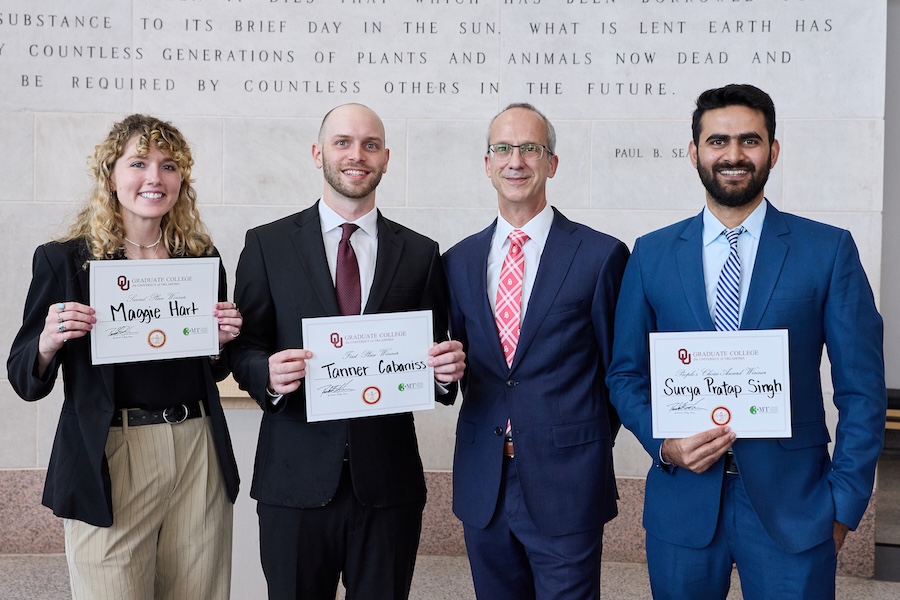
Three University of Oklahoma graduate students have been named winners of the 2025 Three Minute Thesis competition, which challenges participants to explain their research in three minutes to a non-specialist audience.
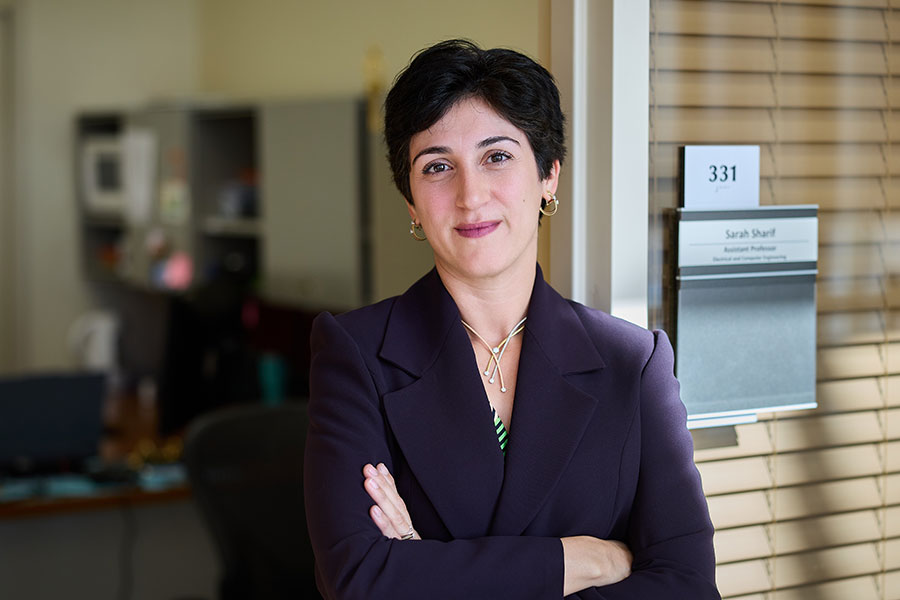
Sarah Sharif, a researcher with the University of Oklahoma, has been awarded funding from the U.S. Department of Defense (DoD) to create innovative light detectors that pick up mid-wave and long-wave infrared signals at higher temperatures than previously considered achievable.
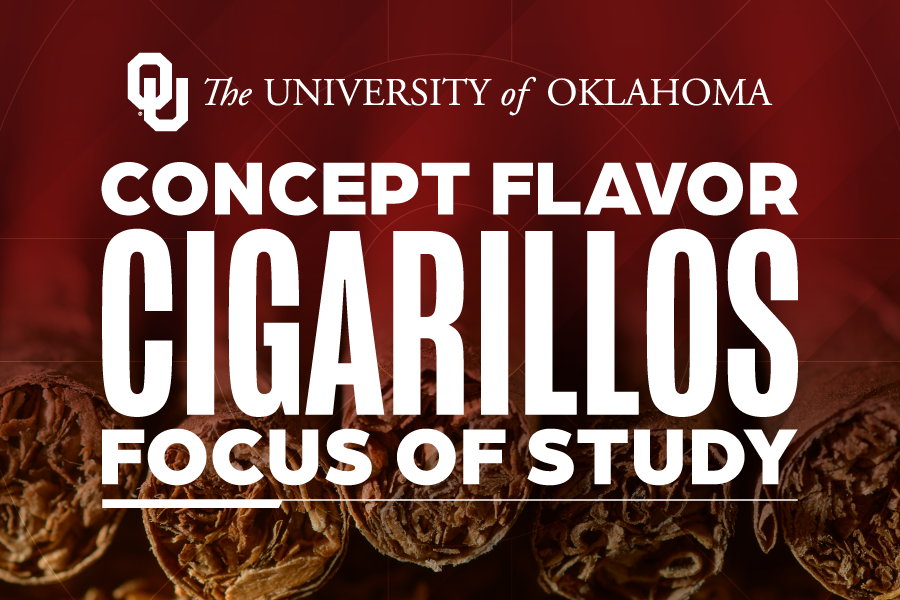
A team from OU and WVU recently earned a five-year, $3.5 million grant from the National Institutes of Health to study how concept cigarillos influence the potential for addiction. The results will be used to inform the FDA’s impending flavor ban on cigar products and could have wider-reaching implications for other tobacco products that come in flavors, such as e-cigarettes and tobacco-free nicotine pouches.